
Tutorials
At EOSAM 2026, as in previous EOSAM conferences, in addition to the conference program including contributed and invited speakers, we wish to provide an additional benefit to all registered attendees in the form of tutorials covering Topical Meeting (TOM) and Focused session topics. These tutorials will take place on Monday, 24 August 2026.
Participation in these tutorials is free for participants registered for the full conference.
More information coming soon.
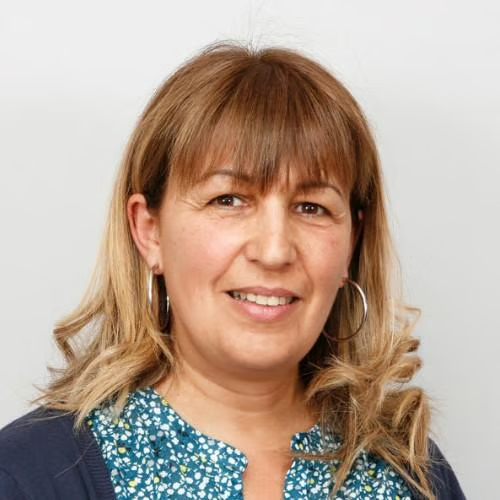
Patricia Segonds
University Grenoble Alpes (UGA)
NEEL Institut CNRS-UGA
Grenoble, France
Frequency Conversion in Nonlinear Crystals: From Fundamentals to Commercial Devices
The ability to tailor the frequency of light lies at the very core of modern photonics, empowering technologies from harmonic generators to tunable coherent sources. This lecture delves into the physics of frequency conversion in crystals, revealing how spontaneous second-order interactions generate new spectral components of light. We will discuss the roles of crystal symmetry, susceptibility tensors, and matter polarization in governing conversion efficiency, with a focus on second-harmonic generation, sum-frequency generation and spontaneous down-conversion, and optical parametric oscillation. Beyond the theoretical framework, practical aspects such as nonlinear crystals, phase-matching engineering, and characterization techniques will be explored. The lecture will conclude with an overview of state-of-the-art commercial devices and their relevance to photonic applications.
About the Speaker
Patricia Segonds is a Full Professor in the Department of Physics at the University Grenoble Alpes (UGA). She joined the Institut Néel upon its creation. Since 2000, her research has focused on optics and frequency conversion in nonlinear crystals, including their characterization and implementation in optical parametric oscillators. She has co-authored more than 230 publications in peer-reviewed journals and conference proceedings. She teaches practical courses in linear and nonlinear optics and has recorded numerous educational tutorials covering various areas of physics.
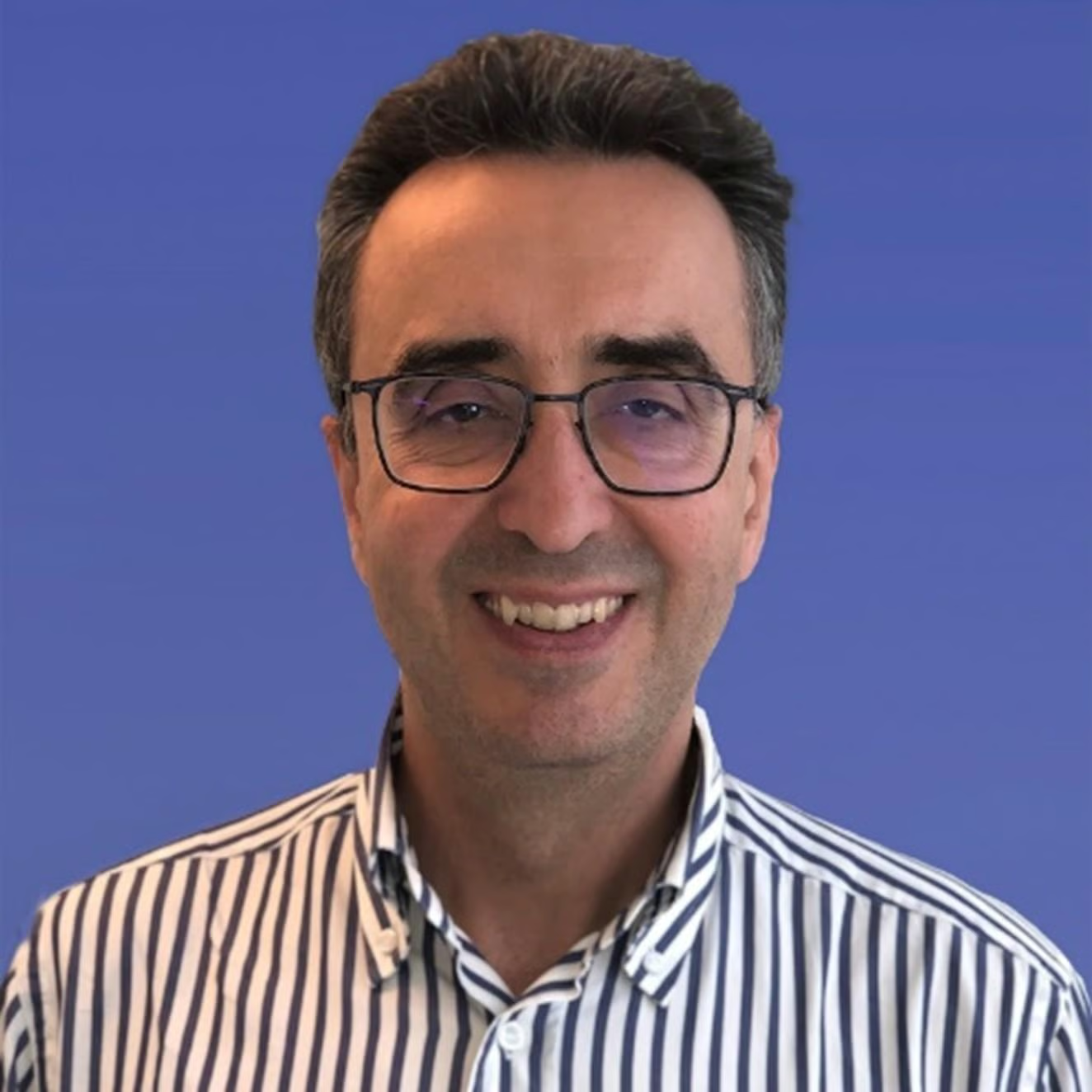
Giulio Cerullo
Dipartimento di Fisica, Politecnico di Milano
Milano, Italy
Ultrafast and Nonlinear Photonics with 2D Materials
Layered materials are solids consisting of crystalline sheets with strong in-plane covalent bonds and weak van der Waals out-of-plane interactions. These materials can be easily exfoliated to a single layer, obtaining two-dimensional (2D) materials with radically novel physico-chemical characteristics compared to their bulk counterparts. The field of 2D materials began with graphene and quickly expanded to include semiconducting transition metal dichalcogenides (TMDs). 2D semiconductors exhibit very strong light-matter interaction and exceptionally intense and ultrafast nonlinear optical response, enabling a variety of novel applications in optoelectronics and photonics. Furthermore, stacking 2D materials into heterostructures (HS) offers unlimited possibilities to design new materials tailored for applications. In such HS the electronic structure of the individual layers is well retained because of the weak interlayer van der Waals coupling. Nevertheless, new physical properties and functionalities arise beyond those of their constituent blocks, depending on the type, the stacking sequence and the twist angle of the layers.
This Tutorial will review the key electronic and photonic properties of TMDs and their heterostructures, including strongly bound intralayer excitons, spin-valley locking and valley selectivity. It will also discuss their non-equilibrium properties, such as intralayer exciton formation, their dissociation in HS to form long-lived interlayer excitons, and intervalley scattering processes. It will also discuss the nonlinear optical response of TMDs and approaches to phase match the nonlinear interactions and achieve high conversion efficiencies over unprecedentedly small thicknesses.
About the Speaker
Giulio Cerullo is a Full Professor with the Physics Department, Politecnico di Milano, where he leads the Ultrafast Optical Spectroscopy laboratory. Prof. Cerullo’s research activity concerns on the one hand pushing our capabilities to generate and manipulate ultrashort light pulses, and on the other hand using such pulses to capture the dynamics of ultrafast events in molecular and solid-state systems. He has published over 560 papers which have received >36000 citations (H-index: 96 on Scopus). He is a Fellow of the Optical Society of America, of the European Physical Society and of the Accademia dei Lincei and past Chair of the Quantum Electronics and Optics Division of the European Physical Society. He has received two ERC grants (Advanced Grant in 2012 and Synergy Grant in 2025). He has been General Chair of the conferences CLEO/Europe 2017, Ultrafast Phenomena 2018 and the International Conference on Raman Spectroscopy 2024. In 2023, he received the Quantum Electronics Prize of the European Physical Society. He is the co-founder of two spin-off companies (NIREOS and Cambridge Raman Imaging).
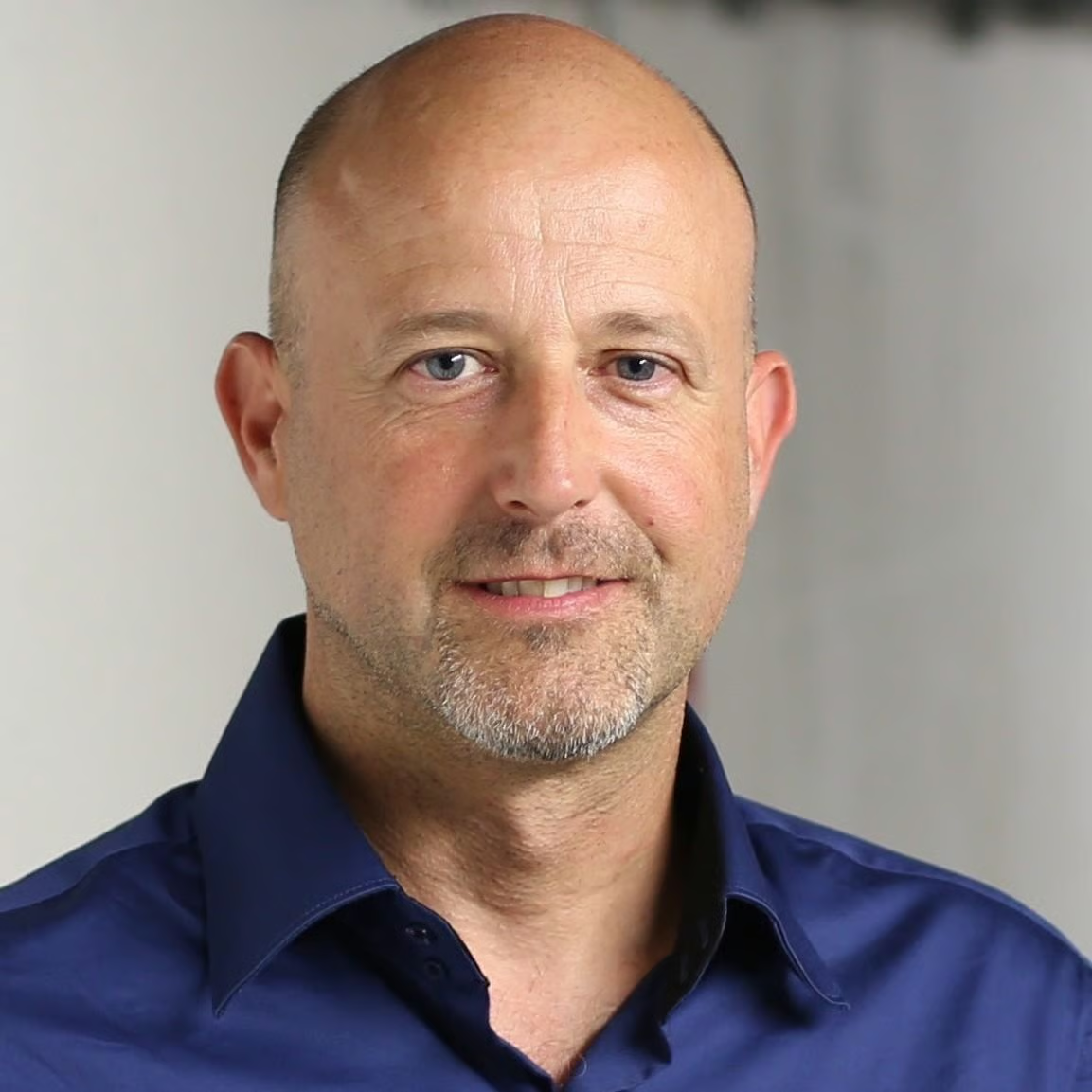
Massimo Giudici
Université Côte d’Azur, Institut de Physique de Nice, Nice, France
Reconfigurable Light in Laser Cavities
Multimode photonics is an emerging research field devoted to the generation and control of complex light states for applications in information processing, photonic computing, sensing, and imaging. In this tutorial, I will review progress toward reconfigurable light emission in laser cavities. This control relies on the concept of dissipative solitons: individually addressable localized structures that appear as intensity peaks in the laser spatial profile or as mode-locked pulses in the temporal output, and that can be used as fundamental building blocks to arbitrarily structure laser light. While past efforts addressed spatial and temporal degrees of freedom separately, I will present recent advances toward unified spatio-temporal control within a single laser system.
About the Speaker
Massimo Giudici is a Full Professor at Université Côte d’Azur, and he conducts his research at the Institut de Physique de Nice. In recent years, his research has focused on spatio-temporal dynamics in semiconductor microcavities and lasers. Prof. Giudici is the author of more than 80 publications in international peer-reviewed journals. He is a Fellow of OPTICA and a Senior Member of IEEE. He served as General Chair of CLEO Europe/EQEC 2019 and as a Board Member of the Quantum Electronics and Optics Division of the European Physical Society (2016–2025). He was Director of the LIA (Laboratoire International Associé) SOLACE from 2017 to 2021 and Deputy Director of the Institut Non Linéaire de Nice from 2012 to 2016.
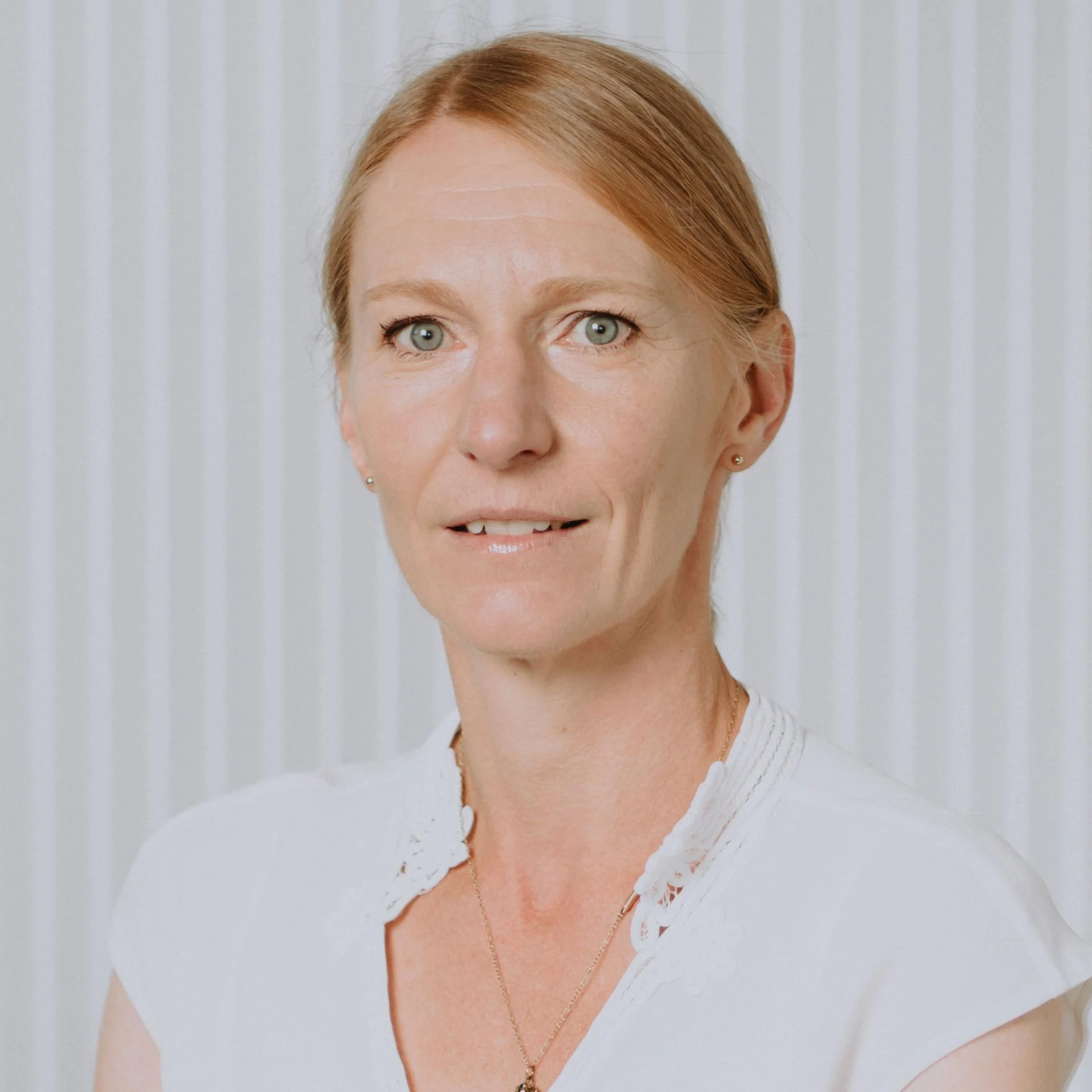
Anna Peacock
Optoelectronics Research Centre, University of Southampton, Southampton, United Kingdom
Silicon Core Fibres: From Fabrication to Applications
Silicon core fibres are attracting increased interest as a means to exploit the excellent optical and optoelectronic functionality of the semiconductor material directly within the fibre geometry. Compared to their planar counterparts, this new class of waveguide retains many advantageous properties of the fibre platforms such as flexibility, cylindrical symmetry, and long waveguide lengths. Furthermore, owing to the robust glass cladding it is also possible to employ standard fibre post-processing procedures to tailor the waveguide dimensions and reduce the optical losses over a broad wavelength range. In this tutorial, I review efforts regarding the design, fabrication and optimization of the silicon fibres and outline their potential for applications in areas such as solar harvesting, wearable sensors, and nonlinear signal processing.
About the Speaker
Professor Anna C. Peacock is head of the Nonlinear Semiconductor Photonics Group and a Deputy Director of the Optoelectronics Research Centre (ORC). Her research is focused on developing novel semiconductor waveguides, both fibre and planar technologies, for use in nonlinear optical applications. She has co-authored more than 120 journal articles and is a regular invited speaker at leading photonics conferences. She is a fellow of the Royal Academy of Engineering (FREng), IEEE Photonics Society (FIEEE), Optica (FOSA), and the Institute of Physics (FInstP).
Jacopo Bertolotti
Department of Physics and Astronomy, University of Exeter, Exeter, United Kingdom
Scientific Visualizations: Animating Physics for Science Communication
If an image is worth a thousand words, how many is an animation worth? When is the effort needed to create an animation to visualize your science worth it? In this tutorial we will discuss the advantages and disadvantages of animations, and how someone without any artistic skills (like me) can produce effective ones for both outreach or as a teaching aid.
About the Speaker
Jacopo Bertolotti is currently an Associate Professor in Physics at the University of Exeter (UK). He received his degree and PhD in Physics from the University of Florence (IT). Before taking this position in 2013 he was a postdoctoral researcher at the University of Twente (NL) and the Institut Langevin (FR).
His main research interests are light scattering, imaging in disordered media, and optical computing. In 2015 he was awarded the "Philip Leverhulme Prize" by the Leverhulme foundation, and in 2016 was awarded the Moseley Medal by the Institute of Physics, both for his contributions to Optics.
Ville Hevonkorpi
SCHOTT Primoceler, Tampere, Finland
Using photonics in smart implant manufacturing
This tutorial introduces laser‑based glass micro‑bonding for the hermetic packaging of small, active medical implants. The focus is on applications where reliability and long‑term stability matter.
The talk explains wafer‑level glass bonding without added materials. The process enables room‑temperature sealing and compact designs. It is compatible with sensitive electronics, micro‑optics, and biosensors.
The presentation uses industrial case examples, ranging from ESA optical sensors to neurostimulators. These examples show how glass micro‑bonding supports scalable manufacturing, RF‑transparent packages, and biocompatible solutions.
About the Speaker
Ville Hevonkorpi is Managing Director and co‑founder of SCHOTT Primoceler, where he leads the development and industrialization of smart medical implants and hermetic packaging solutions. His work focuses on transferring advanced bonding and packaging technologies into high‑reliability medical and photonics products. He holds an MSc in Automation Technology from Tampere University of Technology.

Adriana Canales
Thorlabs, Sweden
Fourier‑Transform Spectrum Analysis: When to Go Beyond Grating Spectrometers
Spectroscopy is a workhorse of photonics, but selecting an appropriate spectrometer is not always straightforward, as different applications may have competing requirements. From advanced material characterization to signal monitoring and optical network optimization, balancing resolution, speed, sensitivity, and cost is essential.
In this tutorial, we dive into Fourier Transform Optical Spectrum Analyzers (FT‑OSAs). We introduce their fundamental operating principles and contrast them with conventional techniques such as grating-based spectrometers. We then explore their strengths, limitations, and typical use cases, positioning them within a broader landscape of spectroscopic instruments. The main objective of the tutorial is to provide participants with a clear framework for selecting the most suitable spectroscopic instrument for their specific application.
About the Speaker
Adriana Canales is a Photonics Applications Engineer at Thorlabs, where she works closely with customers across academia and industry to identify and implement optical measurements solutions, with a particular focus on spectroscopy. She obtained her PhD in Physics from Chalmers University of Technology, Sweden. Her research focused on strong light–matter interactions in nanophotonic systems, combining theoretical analysis with diverse spectroscopic techniques, and resulted in several high-impact publications.
Ming-Jun Li
Corning Incorporated, USA
Opportunities and Challenges for Optical Fibers in AI Data Centers
Artificial intelligence (AI) data centers are driving unprecedented growth in bandwidth, connectivity density, and power consumption, placing new demands on communication infrastructure. Optical fiber technologies are emerging as a critical enabler for scaling these systems, offering high capacity, low latency, electromagnetic immunity, and improved energy efficiency compared with conventional electrical interconnects. From short-reach links inside servers and racks to high-capacity connections across clusters and campuses, fiber-based solutions are becoming increasingly central to AI infrastructure.
This talk will examine the key opportunities and challenges for optical fibers in AI data centers. It will discuss how advances in optical fiber technologies for multimode and single-mode fiber can support high-speed VCSEL-based links, silicon photonics transceivers, co-packaged optics, and emerging optical interconnect architectures. At the same time, the talk will discuss practical challenges for these new optical technologies.
About the Speaker
Dr. Ming-Jun Li joined Corning Incorporated in 1991 and is currently a Corporate Fellow. He has contributed to many single-mode and multimode fiber products for optical communications and specialty fibers for different applications. He is a member of the US National Academy of Engineering, a Fellow of Optica, IEEE and SPIE. He was inducted into the US National Inventors Hall of Fame in 2022. He received many awards including the 2023 John Tyndall Award. He has served as Associate Editor, Coordinating Committee Member, and Deputy Editor for the Journal of Lightwave Technology. He has also served as a guest editor for several journal special issues and as committee chair or member for many international conferences. He holds 310 U.S. patents and has published 7 book chapters and over 380 technical papers.
Karolina Wojtczak
EDP Sciences, France
From Writing to Publication: a Complete Guide
This lecture provides a comprehensive, practical overview of the scientific publishing process, guiding participants through every stage: from shaping research into a compelling manuscript to successfully navigating peer review and achieving publication. Delivered by Dr. Karolina Wojtczakm PhD (EDP Sciences), the session offers valuable insights for early-career researchers and experienced authors alike, combining technical guidance with essential perspectives on research integrity and communication.
About the Speaker
Dr. Karolina Wojtczak, PhD is a publisher at EDP Sciences, with a multidisciplinary background in medicinal chemistry and microbiology. After completing her PhD and gaining experience in both academia and the pharmaceutical industry, she transitioned into scientific publishing, where she works closely with researchers and editorial teams across a broad range of disciplines including JEOS-RP. Drawing on her research training and publishing expertise, she is dedicated to supporting authors throughout the publication process and promoting high standards of scientific integrity, communication, and ethics.